For centuries, the seven deadly sins have often been framed as a list of moral failures—rules to avoid, behaviors to condemn, shortcomings to feel ashamed of. They’ve been used to scare, to judge, and sometimes to push people away rather than draw them closer to God. But when we approach the seven deadly sins through a progressive, modern lens, something important shifts. Instead of seeing them as ancient prohibitions meant to trap us, we can understand them as mirrors held up to very human struggles that are still deeply present in our lives today. Greed becomes our culture of accumulation and fear of scarcity. Envy shows up in comparison culture and social media. Sloth isn’t laziness so much as burnout, numbness, or disengagement from what truly matters. Pride can look like self-sufficiency that refuses help, while wrath can be unresolved hurt that hardens into resentment. When we broaden the sins this way, they stop being about condemnation and start becoming tools for honest self-reflection.
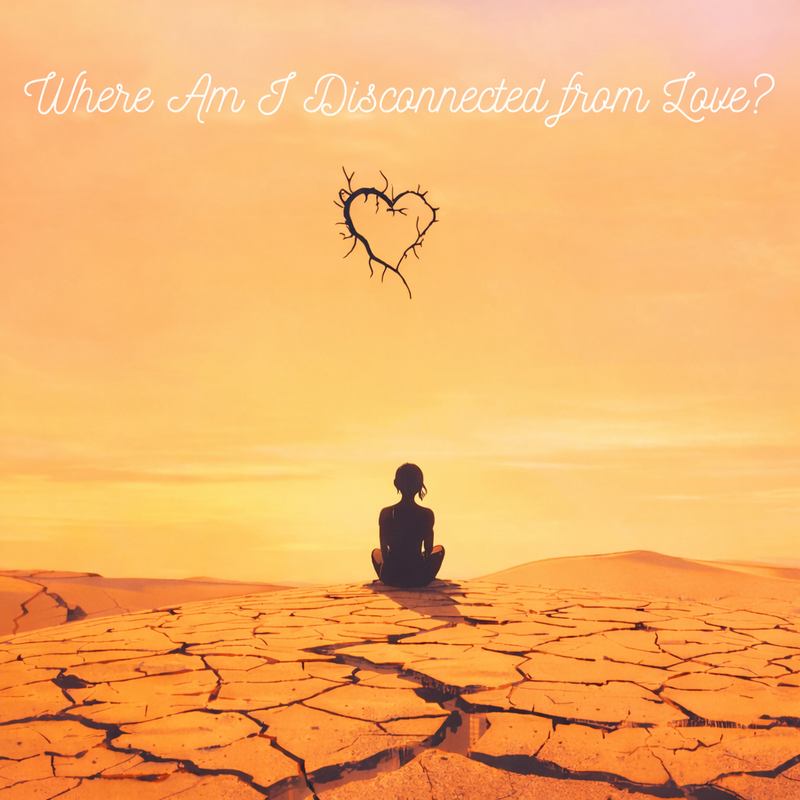
Seen this way, exploring the seven deadly sins doesn’t have to be scary—it can actually be freeing. Rather than asking, “What’s wrong with me?” we begin to ask, “Where am I tired, afraid, or disconnected from love?” The sins become invitations instead of accusations—gentle prompts to notice where our lives may be out of alignment with compassion, justice, balance, and grace. They help us name the forces that quietly pull us away from the lives God longs for us to live, not to shame us, but to help us grow. This kind of reflection opens space for healing, for recalibration, and for choosing differently.
Faithfulness, in this sense, is not about rigid rule-following or moral perfection. It’s about movement—turning toward love again and again. God’s desires for our lives are not about shrinking us down or taking joy away; they are about wholeness. When we live with generosity instead of hoarding, humility instead of comparison, rest instead of exhaustion, and compassion instead of resentment, something beautiful happens. We become more faithful—and we also become more joyful. More grounded. More at peace. In the end, a deeper, more honest engagement with the seven deadly sins isn’t about fear at all. It’s about freedom, growth, and discovering that the path toward God is also the path toward a fuller, happier life.
Rev. Candi